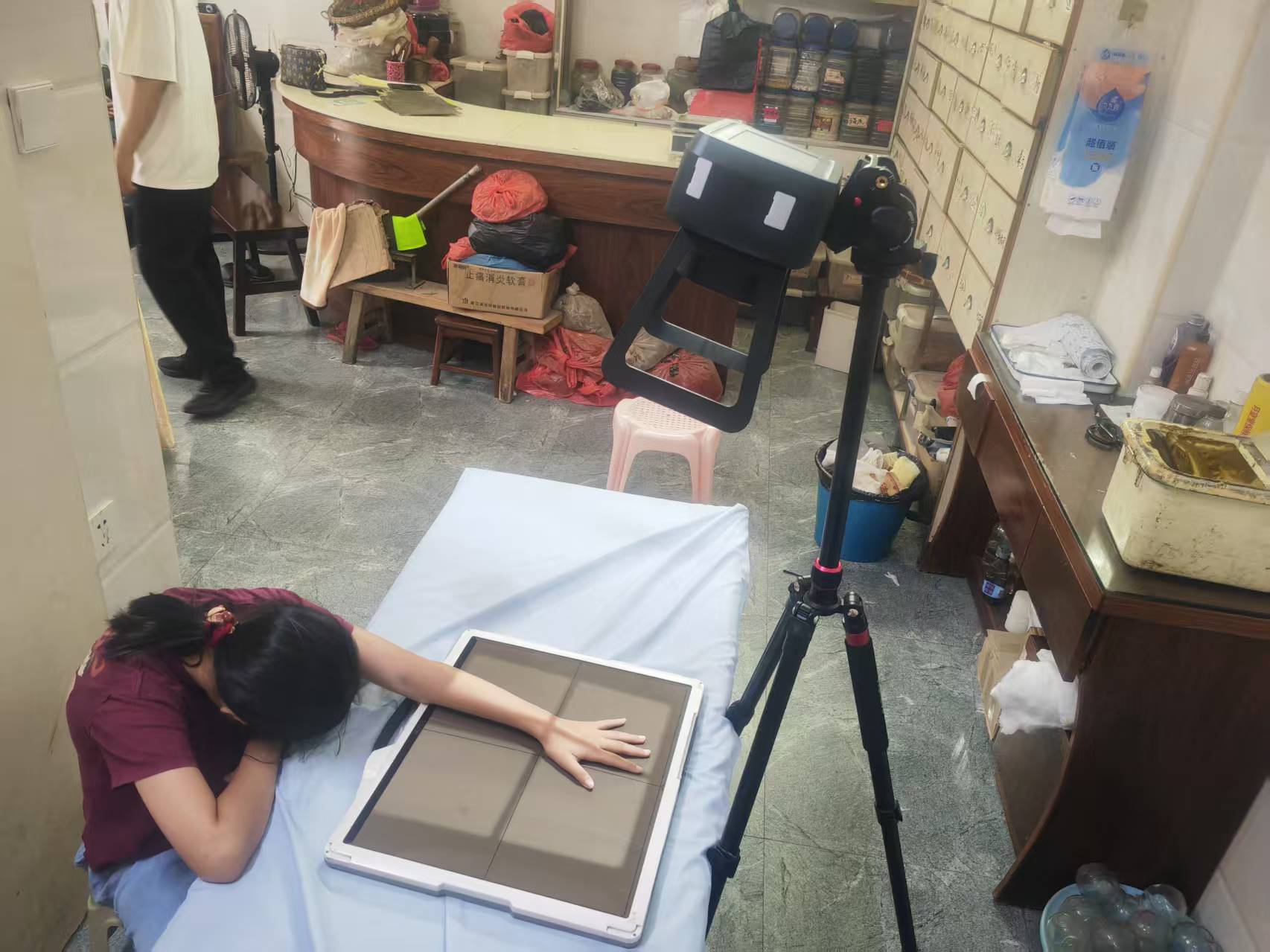
When budgets are insufficient to procure traditional stationary X-ray machines, handheld portable X-ray units—due to their advantages of lower investment, rapid deployment, and flexible application—have become an ideal choice for primary healthcare, international aid, and mobile healthcare initiatives.
When budgets are insufficient to procure traditional stationary X-ray machines, handheld portable X-ray units—due to their advantages of lower investment, rapid deployment, and flexible application—have become an ideal choice for primary healthcare, international aid, and mobile healthcare initiatives.
Key Advantages
Mobile examinations are more convenient: tests can be performed directly in various settings—including hospital wards, ICUs, emergency departments, ambulances, rural clinics, and mobile medical units—enabling "equipment right at the patient's side."
Meets primary healthcare needs; capable of performing routine X-ray examinations for the chest, extremities, orthopedics, trauma, and other areas; suitable for community hospitals, township health centers, and small-to-medium-sized clinics.
Low maintenance and transportation costs: The equipment is compact in size and lightweight, making it easy to transport; its simple maintenance requirements further help reduce long-term operating costs.
Fast ROI: Low initial investment helps healthcare institutions quickly launch imaging services and accelerate their return on investment.
Applicable to
Primary healthcare hospitals and community health centers;
Private clinics and newly established hospitals;
International aid projects (WHO, NGOs, etc.);
Military and emergency response units;
Outpatient services in remote areas;
Workplace and campus health screenings